
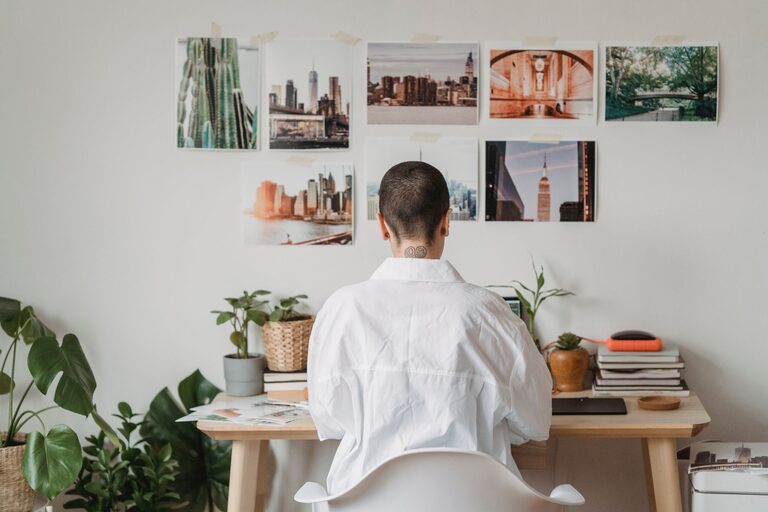
Creating a relaxing home workspace is essential for anyone who spends significant time working from home. A well-designed environment can help increase focus, reduce stress, and improve overall well-being. Whether you’re a freelancer, a remote employee, or someone who just needs a dedicated work area, these tips will guide you in crafting a calm and inviting workspace.
Why a Relaxing Workspace Matters
Your workspace influences not only your productivity but also your mental and physical health. A cluttered or uncomfortable area may cause frustration, distraction, or even fatigue. By intentionally designing a space with relaxation in mind, you can create a balance between work and comfort, making your workday more enjoyable and efficient.
Choose the Right Location
Find a Quiet Spot
Look for a part of your home where you can work without constant distractions or noise. It could be a spare room, a corner of your bedroom, or even a section of your living room. If possible, avoid high-traffic areas or places close to the TV or kitchen.
Natural Light Is Key
Position your desk near a window to take advantage of natural light. Natural lighting helps reduce eye strain and can boost your mood. If natural light is limited, choose warm, soft lighting to create a cozy atmosphere.
Invest in Comfortable Furniture
Ergonomic Chair and Desk
A comfortable chair with good back support is crucial for long hours of work. Pair it with a desk at the right height to avoid hunching or reaching. Ergonomic furniture helps prevent physical strain and promotes better posture.
Add Supportive Accessories
Consider a footrest or a seat cushion if needed. A monitor stand can help keep your screen at eye level, reducing neck and shoulder tension.
Declutter and Organize
Keep Only What You Need
A cluttered desk can make it hard to focus. Keep your workspace tidy by storing only essential items on your desk. Use drawers, shelves, or organizers to keep paperwork and supplies out of sight.
Use Storage Solutions
Bins, baskets, and filing cabinets are great for organizing materials. Label everything so you can easily find what you need without stress.
Personalize Your Space
Add Calming Elements
Include things that help you relax and feel comfortable. Plants, for example, bring nature indoors and improve air quality. Soft textiles like a small rug or cushions can make the space cozy.
Choose Soothing Colors
Colors influence mood. Soft blues, greens, and neutrals tend to create a calming effect, while bright or overly bold colors might be distracting. Choose decor that you find pleasant and inspiring.
Manage Technology Wisely
Minimize Screen Glare
Position your computer screen so that it doesn’t reflect windows or lamps. Use screen filters if necessary. Reducing glare will ease eye fatigue.
Use Headphones or White Noise
If background noise is unavoidable, noise-canceling headphones or a white noise machine can help maintain focus.
Take Breaks Effectively
Set Up a Relaxation Area Nearby
If space allows, have a small spot for stretching, deep breathing, or short breaks. This can be a comfortable chair, a yoga mat, or even just a clear space for movement.
Practice Time Management
Use techniques like the Pomodoro method—working for 25 minutes and then taking a 5-minute break—to maintain productivity and reduce burnout.
Keep the Air Fresh and Comfortable
Improve Air Quality
Open windows regularly to let in fresh air. Consider using an air purifier or adding a few indoor plants known for purifying the air.
Control Temperature
Make sure your workspace is neither too hot nor too cold. If possible, use a fan, heater, or adjust your home’s thermostat to keep the temperature comfortable during work hours.
Final Thoughts
Creating a relaxing home workspace takes a little planning and effort, but the benefits are well worth it. When your environment feels comfortable and calm, it’s easier to stay focused, motivated, and balanced throughout your workday. Start by choosing a quiet, well-lit location, invest in quality furniture, keep things organized, and add personal touches that make the space inviting. Your home office can become a place where work feels less like a chore and more like a productive, pleasant part of your day.