
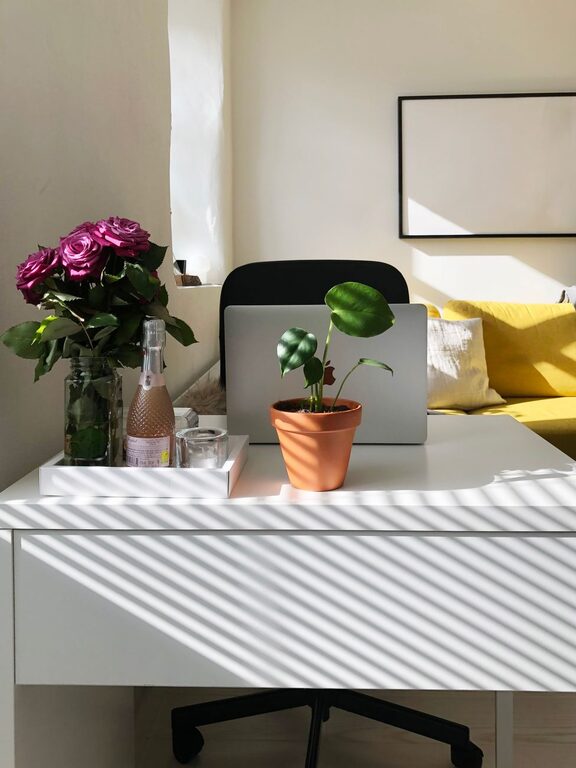
Creating a relaxing home workspace is essential for maintaining focus, reducing stress, and boosting productivity. Whether you’re working remotely full-time or just need a dedicated area for occasional tasks, the right setup can make a significant difference in how you feel and perform. This guide offers helpful tips to design a comfortable and efficient home office that supports your work and well-being.
Why a Relaxing Workspace Matters
A well-designed workspace is more than just a desk and chair. It’s a place where you spend a good part of your day, so comfort and calmness contribute directly to your output and mood. When your environment feels relaxing, you’re less likely to feel overwhelmed or fatigued. This leads to better concentration and a more positive attitude toward your tasks.
Choose the Right Location
Find a Quiet Spot
Select a location in your home that’s away from noises and distractions. Ideally, choose a room or corner with minimal foot traffic where you can focus uninterrupted. If that’s not possible, consider noise-canceling headphones or white noise machines as alternatives.
Make Use of Natural Light
Good lighting is key. Position your desk near a window if possible to benefit from natural daylight. Natural light improves mood and reduces eye strain. If natural light is limited, invest in high-quality desk lamps with daylight bulbs.
Invest in Comfortable Furniture
Ergonomic Seating
A supportive, adjustable chair is worth the investment. Proper back support reduces strain and fatigue, helping you stay comfortable during long hours. Look for chairs with adjustable height, lumbar support, and breathable material.
Functional Desk
Your desk should be sturdy and spacious enough to accommodate your equipment without clutter. Adjustable desks or sit-stand options can add flexibility and promote better posture by allowing you to change positions throughout the day.
Organize for Efficiency and Calm
Declutter Regularly
Keep only necessary items on your desk. A clutter-free workspace reduces distractions and helps your mind stay clear. Use cable organizers, drawer dividers, and filing systems to keep things tidy.
Use Storage Solutions
Incorporate shelves, cabinets, or baskets to store supplies and documents. This helps maintain organization and ensures everything has a place, making it easier to find what you need quickly.
Personalize with Calming Elements
Choose Soothing Colors
Colors impact mood. Opt for soft, neutral colors or pastels for your walls and decor to create a calming atmosphere. Avoid overly bright or harsh colors that can increase stress.
Add Greenery
Indoor plants not only enhance aesthetics but also improve air quality and boost relaxation. Easy-to-care-for plants like succulents, spider plants, or peace lilies are excellent choices for a home office.
Include Comfort Accessories
Consider adding a cozy throw blanket, cushions, or a small footrest. These accessories can increase comfort and make the workspace inviting.
Optimize Technology Setup
Manage Screen Position
Place your monitor at eye level and about an arm’s length away. This positioning helps reduce neck and eye strain. Use monitor stands if needed to achieve the correct height.
Reduce Glare and Eye Strain
Adjust screen brightness and avoid glare by positioning monitors perpendicular to windows or using anti-glare screen protectors.
Use Quality Equipment
Invest in a reliable keyboard, mouse, and headset that feel comfortable during extended use. Good-quality equipment supports better posture and reduces the risk of repetitive strain injuries.
Create a Routine and Set Boundaries
Designate Work Hours
Set clear start and end times for your workday. A consistent schedule helps establish boundaries and prevents burnout.
Take Regular Breaks
Breaks are essential to refresh your mind and body. Incorporate short pauses every hour to stretch, hydrate, or walk around.
Minimize Distractions
Turn off non-essential notifications and consider using apps that block distracting websites during work sessions.
Incorporate Relaxation Techniques
Use Aromatherapy
Scents like lavender, chamomile, or eucalyptus can create a calming environment. Use essential oils or candles cautiously to avoid strong odors.
Practice Mindfulness
Taking a few minutes for deep breathing or meditation can reduce stress and increase focus.
Play Soft Background Music
Instrumental or natural soundtracks can help some people concentrate better and foster a peaceful atmosphere.
Final Thoughts
Creating a relaxing home workspace doesn’t require a complete overhaul. Small changes in organization, lighting, furniture, and personal touches can transform your workday experience. Prioritize comfort and reduce distractions to support a healthier, more productive routine. With these tips, you’ll find it easier to focus, stay motivated, and enjoy your time working from home.