
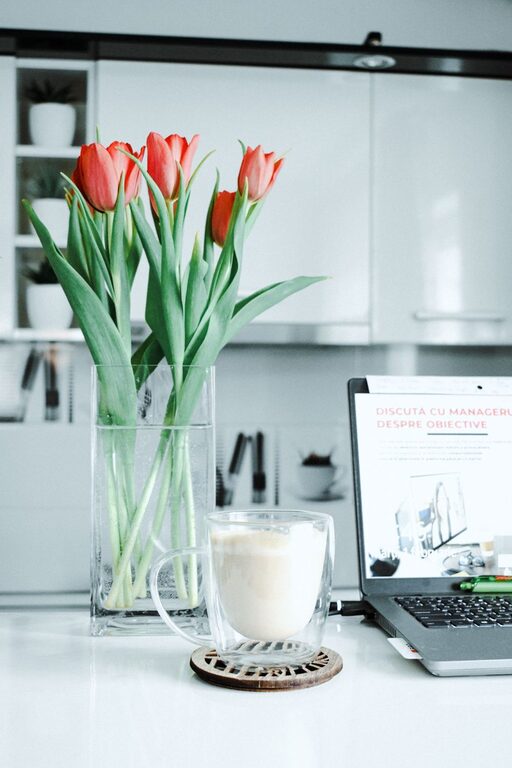
Creating a relaxing home workspace can significantly improve your productivity and overall well-being. With more people working remotely, having a dedicated area that inspires focus and calm is essential. In this post, we’ll explore practical tips to help you design a workspace that supports both relaxation and efficiency.
Why a Relaxing Workspace Matters
Working from home offers flexibility, but it can also blur the lines between personal and professional life. A cluttered or uncomfortable workspace may lead to distractions, stress, and decreased motivation. A relaxing setup helps reduce mental fatigue, allowing you to tackle tasks with greater clarity and energy.
Choosing the Right Location
Select a Dedicated Space
Ideally, pick a spot in your home separate from high-traffic or noisy areas. Whether it’s a spare room, a corner in your bedroom, or a nook in your living room, having a specific place for work helps your brain associate that area with focus and productivity.
Consider Natural Light
Natural light plays a critical role in maintaining energy levels and a positive mood. Position your desk near a window if possible. This also gives you moments to gaze outside and rest your eyes, which can prevent strain and boost creativity.
Declutter and Organize
Keep Essentials Only
A clean workspace reduces distractions. Keep your desk clear by only having items you use daily—like your computer, a notebook, and a pen. Store other supplies out of sight to maintain a neat environment.
Use Storage Solutions
Invest in organizers such as drawer dividers, shelves, or filing cabinets. These keep things tidy and make it easier to find documents or tools when needed.
Choose Comfortable and Functional Furniture
Ergonomic Chair
A good office chair that supports your back can prevent discomfort during long work hours. Look for adjustable height, lumbar support, and adequate padding.
Desk Setup
Your desk should be at a comfortable height to promote good posture. If space allows, a larger surface gives room for multiple monitors or writing space, helping you stay organized.
Incorporate Relaxing Elements
Calming Colors
Choose light, soothing colors for your walls or decorations. Shades of blue, green, or soft neutrals tend to create a tranquil atmosphere conducive to concentration and relaxation.
Add Plants
Indoor plants not only improve air quality but also add a touch of nature to your space. They can reduce stress and enhance creativity.
Personal Touches
Incorporate items that lift your mood, such as artwork, photos, or inspirational quotes. However, avoid overcrowding your desk with too many decorations.
Manage Noise and Distractions
Use Noise-Canceling Headphones
If you can’t control external sounds, noise-canceling headphones can help maintain focus by reducing background noise.
Background Music or White Noise
Some people find soft instrumental music or white noise beneficial for concentration. Experiment to see what works best for you.
Communicate Boundaries
If you share your home with others, set clear work hours and explain the importance of minimizing interruptions during that time.
Prioritize Lighting
Layer Your Lighting
Besides relying on natural light, use adjustable desk lamps to prevent eye strain, especially during early mornings or evenings.
Avoid Glare
Position your computer screen to avoid reflections from windows or lights, which can cause discomfort and reduce productivity.
Incorporate Movement and Break Opportunities
Take Regular Breaks
Standing up, stretching, or walking around every hour helps reduce physical tension and refreshes your mind.
Use a Standing Desk or Desk Converter
Switching between sitting and standing encourages movement and can improve circulation.
Maintain a Healthy Routine
Establish habits that support your work-life balance, such as consistent start times, scheduled breaks, and a clear end to your workday. This helps signal your brain when it’s time to focus and when to relax.
Final Thoughts
A relaxing home workspace isn’t just about aesthetics—it’s about creating an environment that supports your mental clarity, comfort, and efficiency. By carefully choosing your location, organizing your space, adding calming touches, and managing distractions, you can boost your productivity while making your workday more enjoyable. Experiment with these tips to build a workspace where you can thrive.